Table of Contents
Exploring the world of atividade frutas em ingles is a fantastic way to combine language learning with healthy eating habits, turning simple food names into an engaging sensory experience. When we talk about fruit activities in English, we are referring to playful and educational exercises designed to help students, especially children, recognize, pronounce, and interact with common fruits using the target language. These activities move beyond rote memorization, allowing participants to see, touch, and sometimes even taste the items they are learning, which creates strong mental connections between the English word and the real object. Whether you are a teacher looking for classroom ideas or a parent wanting to enrich your child’s vocabulary, incorporating fruit-themed tasks makes the learning process feel like a game rather than a chore, which significantly boosts retention and enthusiasm. The focus on fresh produce also encourages discussions about nutrition, colors, textures, and where food comes from, adding layers of context that make the new vocabulary more meaningful and memorable.
Why Use Fruit Activities to Teach English Vocabulary
Using atividade frutas em ingles in a teaching or parenting setting offers distinct cognitive and emotional benefits that purely verbal drills cannot match. Because fruits are tangible and visually distinct, they serve as perfect props for introducing new words, reducing the abstract nature of language for beginners. Learners can immediately associate the sound of "apple" with the round, red or green object they are holding, which accelerates word recognition and pronunciation. This multi-sensory approach engages visual, auditory, and kinesthetic learners simultaneously, making the lesson more inclusive and effective for diverse classrooms. Additionally, fruit activities often feel low-pressure and fun, which lowers anxiety in shy students and encourages them to participate actively without fear of making mistakes. The natural sweetness and variety of fruits also create positive emotional anchors, so students begin to associate English with joy, curiosity, and discovery rather than stress and memorization.
From a practical standpoint, fruit-based tasks are incredibly accessible, requiring minimal preparation and no special equipment. Most educators and parents can use items found in any grocery store or kitchen, which keeps costs low and allows for spontaneous lessons whenever the opportunity arises. This accessibility means the atividade frutas em ingles can be adapted for different age groups, language levels, and cultural contexts, since nearly every community has some familiarity with common fruits. Teachers can scale the difficulty by introducing simple labeling for younger children or more complex sentence structures for advanced learners, such as describing taste, origin, or nutritional benefits. The flexibility of these activities also supports both individual and group work, enabling quiet reflection or lively collaboration depending on the classroom goals. Ultimately, choosing to center a lesson around fruit is a strategic decision that combines high educational value with real-world relevance.
Simple Labeling and Matching Games
One of the most straightforward forms of atividade frutas em ingles involves labeling and matching, which is ideal for building foundational vocabulary. In a typical setup, pictures or real fruits are placed on a table, and the learner is given word cards with the English names of those fruits, such as banana, strawberry, orange, and grape. The task is to match the written word to the correct fruit, reinforcing spelling and recognition in a tactile way. To increase speaking practice, the educator can ask the student to say the word aloud before placing the card, turning the activity into a pronunciation exercise as well. For younger learners, adding bright colors and large fonts helps maintain attention and supports early literacy skills, while more advanced students can be challenged to sort fruits into categories like citrus, berries, or tropical fruits. This simple structure provides a strong base that can be expanded into more complex tasks over time.
Matching games can also be done individually or in pairs, promoting both independent thinking and cooperative learning. One effective variation is the memory game, where picture cards and word cards are laid face down, and players take turns flipping two cards to find a correct match while saying the fruit name aloud. This not only reviews vocabulary but also trains memory and turn-taking skills in English. Teachers can introduce a timer or a scoring system to add a light competitive element, which often increases motivation and engagement. By keeping the rules clear and the fruit choices familiar, the atividade frutas em ingles remains focused on language acquisition rather than confusion, ensuring that students feel confident and successful after each round.
Role-Play and Market Simulation
Moving beyond static matching, role-play activities bring atividade frutas em ingles to life by placing vocabulary in realistic social contexts. In a classroom market scenario, students take on roles such as shoppers and vendors, using simple phrases like "I want an apple" or "How much is this banana?" while exchanging play money. This type of activity encourages spontaneous speaking and listening, as learners must understand questions and respond quickly in full sentences. The simulation naturally introduces useful vocabulary related to shopping, prices, and politeness, creating a bridge between isolated words and conversational fluency. Because the fruit items are concrete, students can easily gesture, point, and negotiate, which reduces reliance on translation and builds intuitive English usage.
Teachers can differentiate role-play tasks by adjusting the complexity of language required. Beginners might use cue cards with key phrases, while more advanced students can be asked to ask follow-up questions, such as "Do you have any organic strawberries?" or "Would you like a bag?" Incorporating props like toy cash registers, baskets, and price tags enhances immersion and makes the activity feel like a real event rather than a drill. The social nature of role-play also encourages laughter and interaction, which helps lower anxiety and build confidence in using English publicly. Over time, students internalize the language patterns used in shopping and daily transactions, making the fruit market one of the most effective formats for atividade frutas em ingles.
Cooking and Sensory Descriptions
Another rich avenue for fruit activities in English is simple cooking or food preparation, where students follow directions to make fruit salads, smoothies, or decorated snacks. Following steps like "wash the grapes," "slice the banana," and "mix everything in the bowl" teaches imperative verbs and sequence words in a highly practical context. As they work, learners can describe what they see, smell, and taste using adjectives such as sweet, sour, crunchy, or soft, expanding their descriptive vocabulary beyond basic nouns. This focus on sensory language makes the lesson deeply engaging, because students are not just talking about fruit—they are experiencing it directly, which strengthens memory and encourages detailed expression.
In a group setting, cooking-based atividade frutas em ingles can foster collaboration and clear communication, as students must listen carefully and give instructions to complete the task. Educators can highlight specific grammar points, such as countable and uncountable nouns, by discussing "one slice of apple" versus "some berries" or "a lot of juice." For safety and simplicity, no-cook recipes are often best, using washed fruit and child-friendly tools like plastic knives or small bowls. By connecting language with a real-life outcome, students see the purpose of their English practice, which boosts motivation and makes the learning experience feel meaningful and enjoyable.
Creative Art and Craft Projects
Art and craft projects provide a colorful, hands-on method for exploring atividade frutas em ingles, especially for younger learners who enjoy drawing, cutting, and pasting. Activities such as making paper plate faces, collages from magazine cutouts, or clay models of fruit allow students to associate English words with visual forms while developing fine motor skills. During the craft process, teachers can prompt conversation by asking questions like "What color is your orange?" or "How many grapes do you see?" encouraging students to respond in full sentences. These projects also support differentiation, because advanced learners can be challenged to write short descriptions or create stories about their fruit characters, while beginners focus on key vocabulary and pronunciation. The finished crafts can be displayed in the classroom, giving students a sense of pride and a lasting reference for the words they have learned.
Integrating technology, such as simple drawing apps or digital flashcards, can also enhance creative fruit activities without replacing the tactile experience. Students might first work with real fruit, then illustrate their favorite items on a tablet, labeling each part in English and recording themselves saying the words. This blend of traditional and digital tools keeps the atividade frutas em ingles fresh and relevant to modern learners while maintaining a focus on clear pronunciation and correct spelling. By offering variety in how fruit is represented, teachers can cater to different learning styles and keep the topic engaging over multiple lessons. Ultimately, creative projects turn vocabulary practice into an expressive, memorable experience that connects language with imagination.
Related Videos
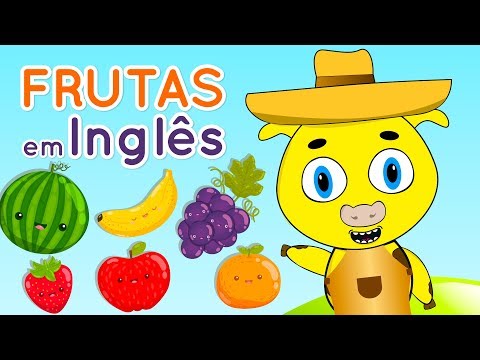
Frutas em inglês - Nome das frutas em inglês - Como falar as frutas em inglês
Frutas em inglês - Nome das frutas em inglês - Como falar as frutas em ingles Aprenda a falar o nome das frutas em inglês, essa ...
Assessment and Continuous Practice
To ensure that atividade frutas em ingles leads to real language growth, it is important to incorporate regular, low-pressure assessment strategies that track progress without overwhelming students. Simple tools such as observation checklists, where teachers note which fruit words and phrases students use correctly during activities, provide valuable insight into individual and class performance. Exit tickets with a quick drawing and label, or short oral quizzes where students name fruits in random order, can also reveal how well the vocabulary is being retained. By revisiting fruit themes periodically through songs, games, and stories, educators reinforce the vocabulary in different contexts, helping students move recognition toward active, confident use.
Encouraging students to take ownership of their learning further strengthens long-term retention, and this can be done by having them create personal fruit dictionaries or flashcards in English. Families can also participate by practicing fruit names at home, turning grocery trips into informal atividade frutas em ingles sessions that connect the classroom with real life. When assessment is framed as a supportive tool rather than a test, students feel more comfortable taking risks and experimenting with the language. With consistent practice, varied activities, and positive reinforcement, learning fruit vocabulary in English becomes a solid foundation that supports broader language development and a lifelong interest in both healthy eating and communication.
In conclusion, atividade frutas em ingles offers a rich, flexible, and engaging pathway for building English vocabulary through familiar, everyday objects. From simple labeling games to dynamic role-plays and creative crafts, these activities make language learning interactive, sensory, and meaningful for a wide range of ages and proficiency levels. By consistently incorporating fruit-themed tasks into lessons or home routines, educators and parents can create a supportive environment where students feel motivated to listen, speak, and experiment with English naturally. The combination of fun, real-world context, and practical application ensures that students not only remember fruit names but also gain the confidence to use them in real conversations, laying a strong groundwork for ongoing language success.
