Table of Contents
- Why Colors Are a Strong Foundation for English Learning
- Simple Warm Up Games to Introduce Color Vocabulary
- Hands On Activities That Combine Color and Language Practice
- Using Storytelling and Role Play to Reinforce Color Words
- Extending Learning with Songs, Chants, and Digital Tools
- Assessment and Reflection to Measure Progress
Exploring atividades com cores em ingles opens a vibrant door to language learning, where children and adults can connect color names with real objects through playful, sensory experiences. When you integrate color-based activities into English practice, you transform abstract vocabulary into vivid, memorable moments that stick long after the lesson ends. Whether you are teaching in a classroom, tutoring one on one, or simply practicing at home, atividades com cores em ingles allow you to build listening, speaking, and recognition skills in a low pressure, high fun environment.
Why Colors Are a Strong Foundation for English Learning
Colors are among the first descriptive words English learners encounter, because they appear everywhere in the real world and in simple instructions. By anchoring activities around atividades com cores em ingles, you give students a concrete reference point that is easy to visualize and remember. A red apple, a blue sky, or a green leaf are not just random examples; they become tiny stories that introduce new vocabulary in context. This context helps learners connect sounds, spellings, and meanings without relying on translation, which speeds up comprehension and boosts confidence.
Another reason atividades com cores em ingles are so effective is that colors support other language goals, such as prepositions, comparisons, and basic sentence structures. You can naturally weave in phrases like the ball is under the red chair or this shade is darker than that one, turning a simple color drill into a full language workout. Because the vocabulary is visual and tactile, students of all ages can participate, from young beginners to adults revisiting the basics. The result is a flexible toolkit that works for group lessons, one on one sessions, or even self study at home.
Simple Warm Up Games to Introduce Color Vocabulary
Starting with easy, low prep games helps everyone relax and get used to hearing and saying color words in English. In one classic warm up, the teacher or parent holds up flashcards or everyday objects during atividades com cores em ingles, saying the color clearly while students repeat it and point to something in the room that matches. You can add movement by asking learners to touch something yellow, stand beside a blue object, or walk to a corner marked with a specific color, which turns the space into an interactive map of English colors.
For a slightly more structured game, try a color listening race where students line up and, on your signal, race to grab an object of the color you call out in English. This version sharpens listening skills, pronunciation, and quick decision making, all while keeping the atmosphere playful. Short, energetic warm ups like these prepare students mentally and physically for deeper atividades com cores em ingles, such as sorting, describing, or creating, so the rest of the session flows smoothly.
Hands On Activities That Combine Color and Language Practice
Hands on tasks are perfect for turning atividades com cores em ingles into a full sensory experience that engages sight, touch, and even smell. One approachable idea is a color sorting station, where students group small items like pom poms, buttons, or blocks by their English color names. As they work, encourage them to describe each piece using full sentences, such as I have a red cube or These two yellow beads are small, which links the color word to grammar and structure.
Another hands on option is a simple art project where learners follow directions in English, like draw a green tree above the blue river, or mix yellow and blue to make green. These activities naturally introduce color mixing, position words, and sequential language, making atividades com cores em ingles feel like a mini project rather than a isolated drill. When students talk about their creations, they practice forming questions, giving opinions, and using adjectives, all while staying focused on the colors they see.
Using Storytelling and Role Play to Reinforce Color Words
Storytelling is a powerful way to show how atividades com cores em ingles fit into real communication, because colors can describe characters, settings, and problems in a narrative. You might tell a short tale about a lost blue cat searching for a yellow house, pausing to ask students what color the cat might find next or how it feels. By inviting them to continue the story in small groups, you encourage imaginative use of color vocabulary and help shy learners express themselves through characters and scenes.
Role play can build on this by assigning roles such as painter, customer, or guide, where color instructions become part of everyday tasks. For example, one student might be a shopkeeper who asks Would you like the red bag or the green one? while the other responds with a clear choice and a reason. These interactions highlight how atividades com cores em ingles support conversational fluency, polite phrases, and listening accuracy, all wrapped in a realistic context that feels meaningful.
Extending Learning with Songs, Chants, and Digital Tools
Music and rhythm are fantastic allies for reinforcing atividades com cores em ingles, especially for younger learners who remember melodies long after isolated words fade. Simple songs that list colors in a catchy tune help with pronunciation, stress patterns, and automatic recall, so students can say red, yellow, and orange almost without thinking. Pairing these songs with actions, like tapping different colored parts of the body, adds a kinesthetic element that cements the connection between word and meaning.
Chants and call and response routines can also turn color practice into a dynamic class ritual, where the teacher says a phrase and students echo it, gradually increasing speed as they gain confidence. For tech enhanced options, digital flashcards, drag and drop color games, and interactive quizzes can provide quick review moments, especially for remote or hybrid learners. When you blend songs, chants, and light technology into atividades com cores em ingles, you create a varied routine that keeps motivation high while steadily expanding vocabulary.
Related Videos
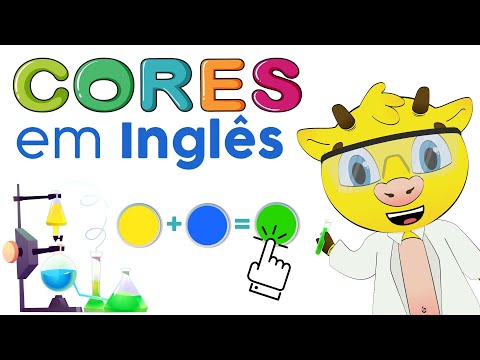
As Cores em Inglês | Aprender as Cores em Inglês
As cores em inglês. Nesse vídeo você vai aprender o nome das cores em inglês de uma jeito fácil e divertido, além de aprender o ...
Assessment and Reflection to Measure Progress
To ensure that atividades com cores em ingles are truly supporting language growth, it helps to include simple, low pressure ways to check understanding. Observing how students respond when you ask What color is this or Show me something brown during activities gives you immediate feedback on comprehension and pronunciation. Short exit tickets, where learners draw or write a sentence using a specific color, can reveal how well they are connecting spelling, sound, and meaning.
Encourage students to reflect on their progress by comparing early attempts with later performances, noticing how quickly they recognize colors or how confidently they form sentences. You might use a small portfolio of their color based drawings, recordings, or written snippets to show growth over time. This reflective loop not only strengthens metacognition but also highlights the practical value of atividades com cores em ingles as a stepping stone toward richer, more complex English tasks.
In the end, atividades com cores em ingles work because they turn color practice into a lively, multi sensory adventure that feels more like play than study. By weaving color games, hands on tasks, storytelling, songs, and thoughtful assessment into your routine, you give learners a strong, flexible base for all future English skills. With consistent, creative engagement, even the most basic color words can open doors to confident communication, curiosity, and lasting language success.
